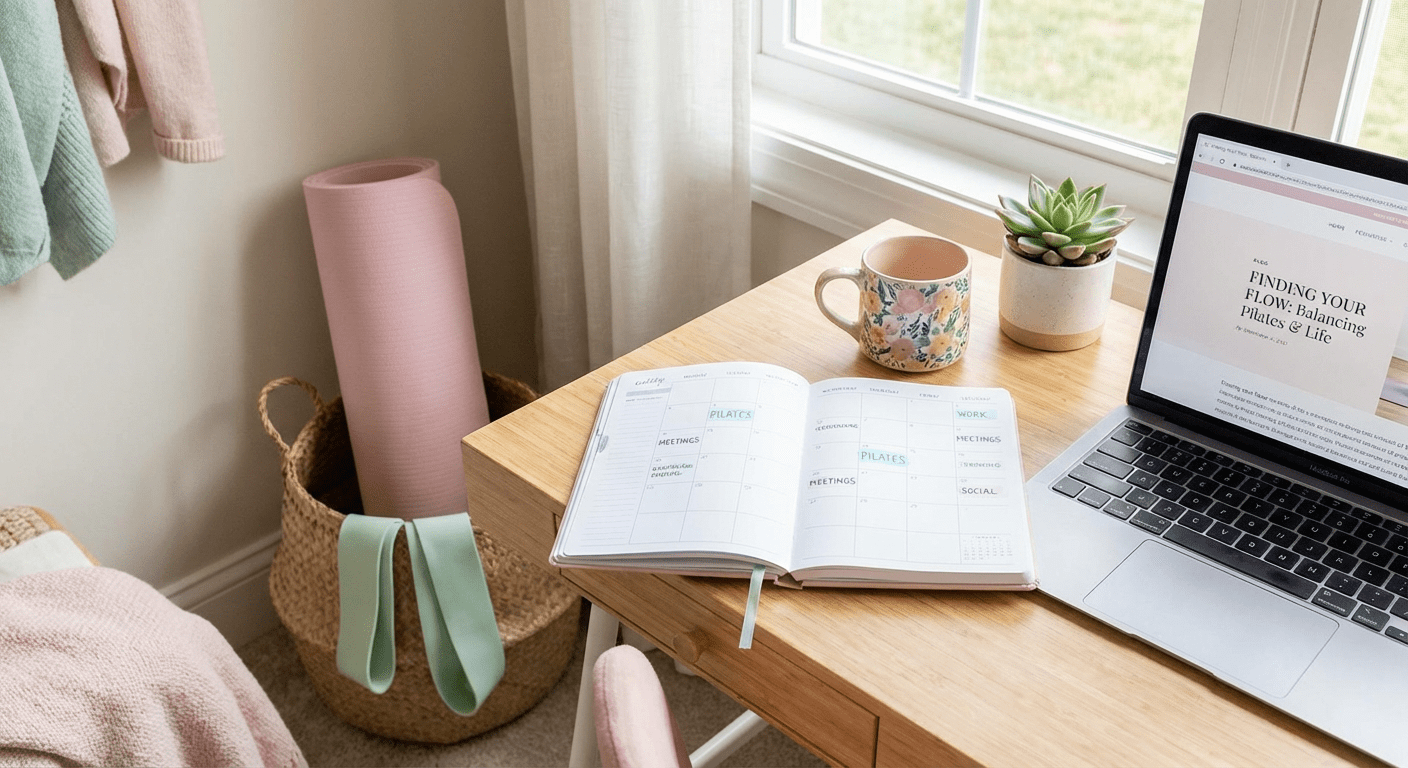
To successfully integrate Pilates into a busy schedule, designate specific time slots for classes or home practice, aiming for two to three sessions weekly. Research shows that structured exercise planning significantly improves adherence, while group-based programs demonstrate higher consistency rates than individual practice. Engaging with supportive fitness communities enhances motivation and accountability, making it easier to maintain regular practice. Prioritizing Pilates not only boosts physical fitness through improved core strength and flexibility but also significantly enhances mental well-being, leading to a more balanced lifestyle.
Are you struggling to fit Pilates into your busy weekly schedule? Balancing work, family, and personal time can make it feel impossible to prioritize your wellness. In this article, you’ll discover evidence-based strategies for seamlessly integrating Pilates into your routine, helping you reclaim your fitness journey. Research shows that structured exercise scheduling and community support are key factors in maintaining long-term fitness habits. Let’s explore how to make Pilates a sustainable part of your life in 2025.
Introduction to Balancing Pilates in 2025
In 2025, balancing Pilates with a busy schedule can enhance both physical fitness and mental well-being. Pilates emphasizes core strength, flexibility, and posture, making it an ideal choice for those seeking a holistic approach to fitness. This method not only improves body awareness but also reduces injury risks, particularly beneficial for practitioners in urban environments where sedentary lifestyles are common.
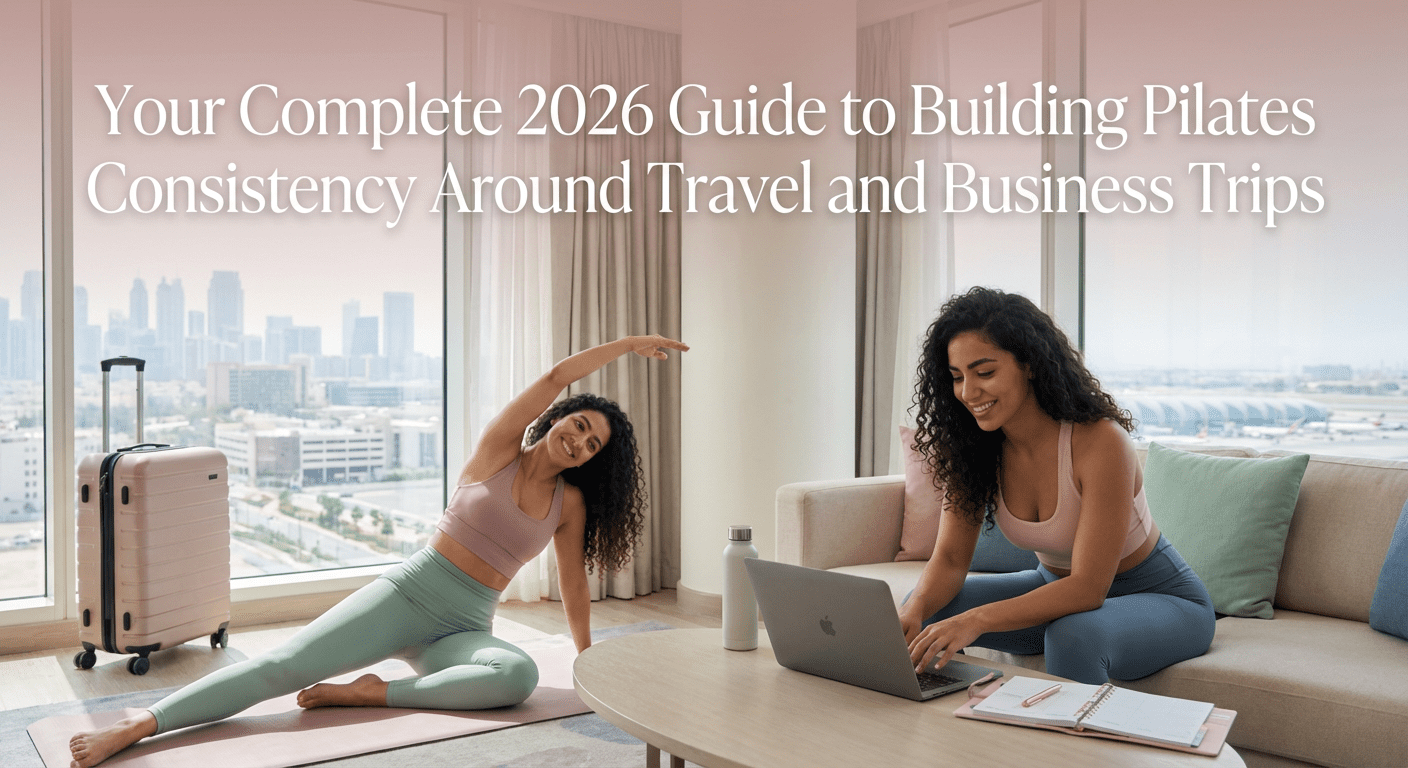
Incorporating Pilates into your weekly routine requires thoughtful planning and commitment. Research on exercise adherence demonstrates that individuals who schedule specific times for physical activity are significantly more likely to maintain consistent practice. By setting aside dedicated time slots for classes or home practice, you can ensure regular engagement with this transformative fitness method. The growing Pilates community in cities like Jeddah and Riyadh reflects a broader regional trend toward mindful, results-driven fitness practices that fit modern lifestyles.
Understanding Your Weekly Schedule
Finding a balance between Pilates and a busy weekly schedule requires strategic time management and realistic goal-setting. The first step is honestly assessing your current commitments and identifying windows of opportunity for practice. Studies on exercise adherence show that individuals who treat fitness appointments with the same importance as work meetings are significantly more successful in maintaining consistent routines.
Consider designating specific time slots that align with your natural energy patterns. Some practitioners find early morning sessions energizing and productive, while others prefer evening classes as a way to decompress after work. The key is consistency rather than perfection. Research indicates that establishing regular patterns—whether attending classes on the same days each week or practicing at consistent times—helps transform exercise from a decision into an automatic habit.
In urban centers throughout the Middle East, boutique fitness studios have adapted to busy professional schedules by offering varied class times, including early morning, lunchtime, and evening options. This flexibility allows practitioners to find slots that genuinely work with their lifestyle rather than against it. The community aspect of group classes can significantly enhance motivation, with studies showing that group-based exercise programs demonstrate higher adherence rates compared to individual practice.
Integrating Pilates into Your Routine
Successfully integrating Pilates into your routine goes beyond simply adding classes to your calendar. It requires creating a sustainable system that accommodates life’s inevitable fluctuations while maintaining forward momentum. Research on exercise commitment shows that individuals with higher levels of commitment are more adept at setting personal goals and optimizing their exercise regimens accordingly.
Start by identifying your primary motivation for practicing Pilates. Whether seeking improved posture, stress relief, core strength, or injury rehabilitation, clarifying your goals helps maintain focus during busy periods. A 2023 meta-analysis published in Medicine found that Pilates significantly alleviates symptoms of depression and anxiety, making it particularly valuable for those managing the stresses of modern professional life.
Consider adopting a flexible approach that includes both structured classes and home practice. While boutique studio sessions provide professional instruction and community support, home practice offers convenience for particularly busy weeks. Many practitioners in Saudi Arabia have found success alternating between studio classes for technical refinement and home sessions for maintenance, creating a balanced approach that adapts to their changing schedules.
Morning vs. Evening Sessions
Choosing between morning and evening Pilates sessions can significantly impact your overall practice adherence and energy levels throughout the day. Research on exercise timing suggests both options offer distinct advantages depending on individual chronotypes and lifestyle patterns.
Morning sessions can set a positive tone for your day, boosting energy and mental clarity. Studies show that individuals who exercise in the morning often report higher levels of consistency, as they complete their workout before daily responsibilities accumulate. For professionals in cities like Jeddah and Riyadh, early morning classes can provide a sense of accomplishment and stress management before entering the workday.
Evening sessions, conversely, offer an opportunity to decompress and transition from work to personal time. Many practitioners find that Pilates helps release physical tension accumulated during the day while providing mental space to process and let go of work-related stress. The key is selecting a time that aligns with your schedule and energy patterns, then maintaining consistency to build lasting habits.
Choosing the Right Class Format
Choosing the right class format can significantly impact your long-term adherence and results. In 2025, Pilates practitioners have access to various formats, from traditional mat classes to equipment-based sessions using reformers or other specialized machines. Each format offers unique benefits and may suit different fitness goals and preferences.
Mat classes provide accessibility and convenience, requiring minimal equipment while still delivering comprehensive core strengthening and flexibility benefits. Equipment-based classes, particularly those using reformers or specialized resistance machines, offer variable resistance levels that can be adjusted during workouts, providing more dynamic muscle engagement and faster progression for some practitioners.
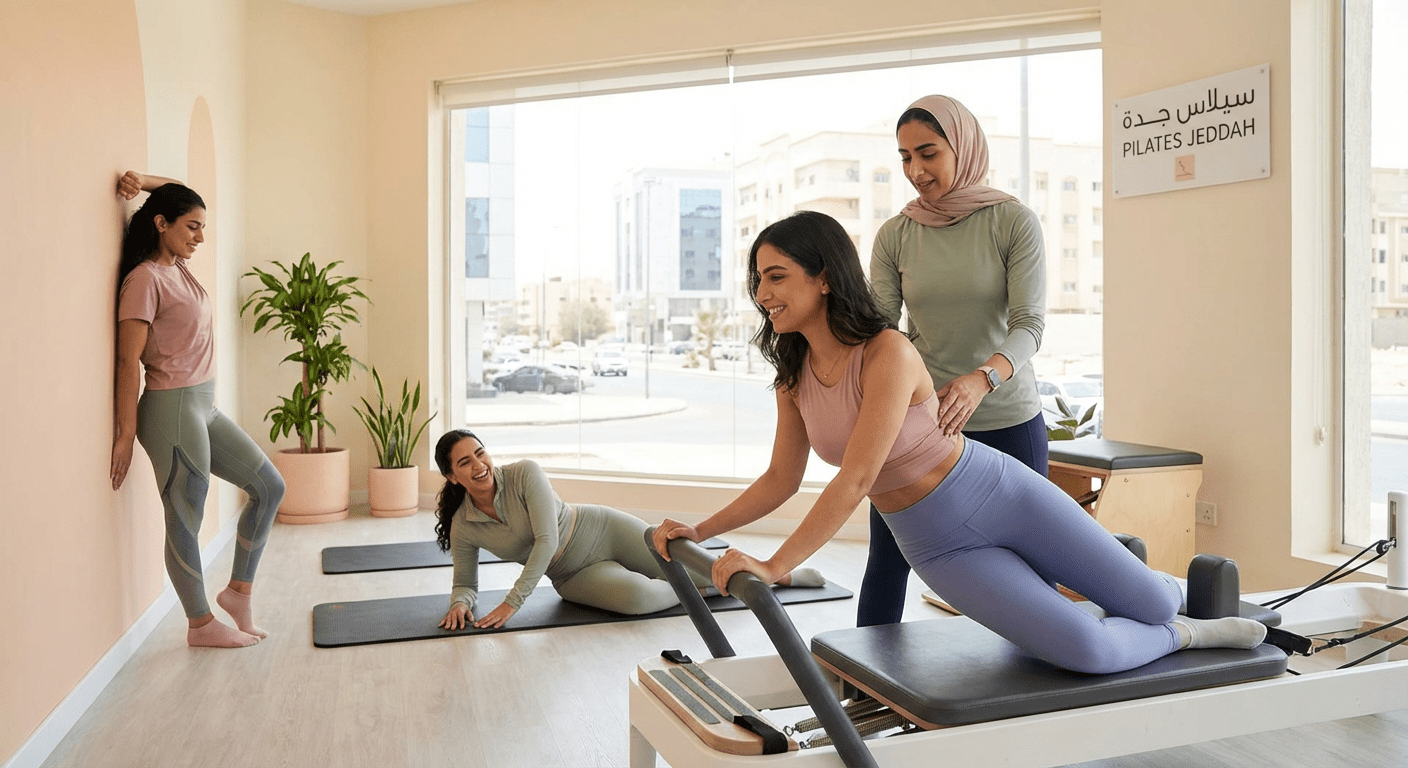
For those balancing hectic schedules, consider boutique studios that offer small group classes with limited capacity. Research shows that intimate class settings promote better form correction, personalized attention, and stronger community bonds—all factors that enhance adherence. Many urban fitness centers in the Middle East have embraced this boutique model, creating supportive environments where practitioners feel motivated and accountable to both instructors and fellow class members.
Creating a Flexible Pilates Plan
Creating a flexible Pilates plan requires balancing structure with adaptability. Research on exercise adherence demonstrates that rigid, all-or-nothing approaches often lead to dropout, while flexible frameworks that accommodate life’s variability promote long-term sustainability.
Begin by establishing a realistic baseline frequency. While daily practice might seem ideal, committing to two to three quality sessions per week is more sustainable for most people and still delivers significant results. A study in the Journal of Strength and Conditioning Research found that participants in a 12-week Pilates program with twice-weekly sessions showed significant improvements in abdominal endurance, hamstring flexibility, and upper-body muscular endurance.
Build flexibility into your plan by identifying “anchor” sessions—non-negotiable classes you commit to attending—and “flex” sessions that can adapt to your weekly demands. For example, you might designate Tuesday and Thursday evening classes as anchors while keeping Sunday morning as a flexible option that you attend when schedules allow. This approach maintains consistency while preventing the guilt and demotivation that can come from missed sessions during particularly busy periods.
Consider using calendar blocking and reminder systems to protect your Pilates time. Studies show that treating exercise appointments with the same importance as work meetings significantly increases adherence. Many practitioners in Saudi Arabia’s major cities have found success using digital calendars with automatic reminders, creating psychological commitment through advance booking.
Tips for Staying Consistent
Staying consistent with Pilates practice requires understanding the psychological and practical factors that influence exercise adherence. Research identifies several evidence-based strategies that significantly improve long-term consistency.
First, leverage the power of community and social support. Studies on group-based exercise programs consistently show higher adherence rates compared to individual practice. A systematic review found that community-based group exercise programs had average adherence rates of 69.1%, with social connectedness, perceived benefits, and supportive instructors cited as key factors. Engaging with fellow practitioners and instructors creates accountability and transforms solitary exercise into a shared experience.
Second, focus on building exercise identity rather than relying solely on motivation. Research shows that individuals who incorporate exercise into their self-concept—viewing themselves as “someone who practices Pilates”—demonstrate greater consistency than those driven primarily by external goals. This identity formation happens gradually through repeated practice and community engagement.
Third, track your progress in meaningful ways. While weight loss or physical transformation might be long-term goals, celebrate intermediate victories like improved flexibility, reduced stress levels, or mastering challenging movements. Studies indicate that recognizing these incremental improvements reinforces commitment and provides motivation during plateaus.
Finally, prepare for setbacks without catastrophizing. Life inevitably disrupts even the best-laid plans. Research on exercise behavior shows that individuals who view missed sessions as temporary interruptions rather than failures are more likely to resume practice quickly. Having a plan for getting back on track after travel, illness, or busy periods prevents single lapses from becoming permanent departures.
Pilates and Wellness in the Middle East
The Middle East, particularly Saudi Arabia, has witnessed remarkable growth in wellness and fitness awareness over the past decade. This shift aligns with broader Vision 2030 initiatives promoting healthy lifestyles and increased physical activity among the population. By 2022, 48.2% of Saudi Arabia’s inhabitants engaged in weekly physical activity for at least 30 minutes, surpassing the initial goal of 40%.
Women’s participation in fitness has shown particularly impressive growth, with female involvement in sports increasing by over 150% since 2015. This cultural transformation has created thriving communities around boutique fitness practices like Pilates, especially in urban centers like Jeddah and Riyadh. The emphasis on women-only spaces and community-oriented approaches resonates strongly with local preferences, creating supportive environments where practitioners feel comfortable pursuing their fitness goals.
The boutique fitness model has proven especially successful in the region, with small-group classes and premium amenities appealing to professionals seeking efficient, results-driven workouts that fit their busy lifestyles. These intimate settings foster the kind of community connections and personalized attention that research shows significantly enhance exercise adherence and long-term commitment.
Conclusion: Making Pilates a Lifestyle Priority
Successfully balancing Pilates with your weekly schedule in 2025 comes down to three fundamental principles: structured planning, community engagement, and sustainable goal-setting. Research consistently shows that individuals who schedule specific times for exercise, participate in group settings, and maintain realistic expectations demonstrate the highest rates of long-term adherence.
The journey of incorporating Pilates into your life is personal and evolutionary. What begins as a scheduled fitness activity can transform into a core component of your identity and well-being. Studies demonstrate that Pilates practitioners experience not only physical improvements in core strength, flexibility, and posture but also significant enhancements in mental health, including reduced anxiety and depression.
As the wellness landscape in the Middle East continues to evolve, with growing infrastructure and community support for mindful fitness practices, there has never been a better time to commit to regular Pilates practice. Whether you’re in Jeddah, Riyadh, or elsewhere in the region, the combination of professional instruction, supportive communities, and convenient scheduling options makes sustainable practice more accessible than ever.
Remember that consistency trumps intensity, and sustainable progress beats sporadic perfection. By implementing the evidence-based strategies discussed in this article—from strategic scheduling to community engagement—you can transform Pilates from an aspiration into a lasting lifestyle component that enhances both your physical fitness and overall quality of life.
Frequently Asked Questions
How often should I practice Pilates each week to see results?
Research suggests aiming for at least two to three Pilates sessions per week to experience noticeable improvements in strength, flexibility, and mental well-being. A 12-week study found that twice-weekly sessions produced significant improvements in abdominal endurance, hamstring flexibility, and upper-body muscular endurance.
Can I do Pilates at home, or is a studio better?
Both options are effective depending on your goals and preferences. Studio classes provide professional instruction, community support, and specialized equipment, while home practice offers flexibility and convenience. Many practitioners find success combining both approaches—attending studio classes for technique refinement and practicing at home for maintenance.
What are the benefits of group Pilates classes?
Research shows group-based exercise programs have significantly higher adherence rates compared to individual programs. Studies report average adherence rates of approximately 69% for community-based group exercise, with social connectedness, instructor support, and perceived benefits cited as key factors. Group settings provide motivation, accountability, and community that enhance long-term commitment.
What should I bring to my Pilates class?
Bring comfortable, form-fitting clothing that allows free movement, a water bottle for hydration, and grip socks if required by your studio. Many boutique studios provide mats and equipment, but check ahead if you prefer bringing your own. Avoid baggy clothing that might interfere with movement or equipment.
How can I stay motivated to practice Pilates regularly?
Research identifies several key strategies: set specific, meaningful goals; schedule sessions like important appointments; engage with supportive communities; track your progress in multiple dimensions (not just physical changes); and view yourself as “someone who practices Pilates” rather than someone trying to practice. Studies show that exercise commitment and identity formation are stronger predictors of long-term adherence than motivation alone.
Sources & References
Kloubec, J. A. (2010). Pilates for improvement of muscle endurance, flexibility, balance, and posture. Journal of Strength and Conditioning Research, 24(3), 661-667. https://pubmed.ncbi.nlm.nih.gov/20145572/
Fleming, K. M., & Herring, M. P. (2023). The impact of Pilates exercise for depression symptoms in female patients: A systematic review and meta-analysis. Medicine, 102(41), e35705. https://pubmed.ncbi.nlm.nih.gov/37832060/
Hawley-Hague, H., et al. (2016). Adherence to community based group exercise interventions for older people: A mixed-methods systematic review. Preventive Medicine, 87, 155-166. https://www.sciencedirect.com/science/article/pii/S0091743516300147
Burke, S. M., et al. (2006). Group versus individual approach? A meta-analysis of the effectiveness of interventions to promote physical activity. Sport and Exercise Psychology Review, 2(1), 19-35.
Rodrigues, F., et al. (2020). Understanding exercise adherence: The predictability of past experience and motivational determinants. Brain Sciences, 10(2), 98. https://pmc.ncbi.nlm.nih.gov/articles/PMC7071831/
Xie, Y., et al. (2024). Influence of exercise commitment on exercise adherence among undergraduate students: Chain mediation role of health beliefs and exercise behavior. PLOS One, 19(11), e0337226. https://journals.plos.org/plosone/article?id=10.1371/journal.pone.0337226
General Authority for Statistics (GaStat). (2022). Saudi population witnesses an increase in sports and physical activity. https://www.stats.gov.sa/
Saudi Arabia Ministry of Sports. (2020). Female participation in sports increases by nearly 150%. Salaam Gateway Report
Golaszewski, N. M., & Bartholomew, J. B. (2019). Group exercise membership is associated with forms of social support, exercise identity, and amount of physical activity. Journal of Sport Behavior, 42(4), 307-325. https://pmc.ncbi.nlm.nih.gov/articles/PMC9053316/
Saudi Vision 2030 Quality of Life Program. https://www.vision2030.gov.sa/



Leave a Reply