
Pilates Certification Standards: What to Look For in 2025
Are you overwhelmed by the myriad of Pilates certification programs available today? With the Pilates industry booming across the Middle East, choosing the right certification can feel daunting. This article will guide you through the essential standards to look for in 2025, helping you make an informed decision that could elevate your practice or career. Did you know that over 70% of fitness professionals believe certification quality directly impacts their effectiveness in teaching?
Introduction to Pilates Certification Standards
As Pilates continues to gain popularity in 2025, understanding certification standards becomes crucial for both instructors and practitioners. The evolving landscape of Pilates emphasizes not just physical fitness but also mental well-being. Research indicates that Pilates can significantly alleviate symptoms of depression and anxiety, making it a valuable choice for those navigating modern life’s stresses.
When evaluating certification programs, look for those that integrate functional fitness elements, ensuring the techniques are applicable to everyday movements. Programs that offer a blend of mat and equipment-based training provide comprehensive benefits, catering to various fitness goals. Additionally, small group classes foster better form correction and personalized attention, enhancing the overall experience. This approach aligns with the growing trend toward holistic health practices, positioning Pilates as a compelling option for diverse audiences (Medicine).
Key Elements of a Quality Pilates Certification
When assessing a quality Pilates certification, several key elements stand out. First, look for programs accredited by recognized bodies, ensuring they meet established industry standards. A comprehensive curriculum should include both mat and equipment training, allowing instructors to adapt to various client needs. Additionally, practical teaching hours are essential; programs that offer hands-on experience help build confidence and competence.
Another important aspect is the emphasis on anatomy and biomechanics. Understanding how the body moves is crucial for effective instruction and injury prevention. Small class sizes can enhance learning, providing personalized feedback and fostering a supportive environment. Lastly, consider the ongoing education opportunities offered by the certification program. Instructors should have access to workshops and resources that keep them updated on the latest techniques and research in Pilates. Such continuous learning is vital in a field that evolves rapidly, ensuring instructors can offer the best to their clients. Research indicates that well-structured Pilates programs significantly improve instructor efficacy and client satisfaction (Pilates Method Alliance).
Beyond Standard Certifications: The Rise of In-House Training
While traditional certification pathways provide a foundation, an emerging trend in the Pilates industry is the development of in-house training programs. These programs allow boutique studios to build upon existing certifications, ensuring instructors meet specific quality standards aligned with their teaching philosophy and equipment.
In-house training typically involves taking certified instructors through additional practical assessments and examinations that focus on the studio’s particular methodology. This approach ensures consistency in teaching quality and creates a cohesive experience for clients. For practitioners seeking studios with the highest standards, those that invest in additional instructor development often demonstrate a commitment to excellence that goes beyond basic certification requirements.
This model has gained particular traction in markets where Pilates is experiencing rapid growth, as studios seek to differentiate themselves through instructor quality and specialized training methods. When exploring Pilates options, ask whether the studio provides ongoing training and development for their instructors beyond their initial certification—this often indicates a serious commitment to teaching excellence.
Emerging Trends in Pilates Certification for 2025
As the Pilates landscape evolves in 2025, emerging trends in certification reflect a broader understanding of wellness and fitness. A key focus is on hybrid learning models, which blend online and in-person training. This flexibility allows aspiring instructors to access comprehensive education that fits their lifestyles, making it easier to balance personal commitments while pursuing certification.
Another significant trend is the integration of functional fitness elements into certification programs. This approach ensures that instructors are well-equipped to teach techniques applicable to everyday movements, enhancing their effectiveness in guiding clients through workouts. Additionally, programs that emphasize both mat and equipment-based training are gaining traction, as they cater to various fitness goals and preferences.
Moreover, the emphasis on mental well-being within Pilates training is becoming more pronounced. Instructors are increasingly trained to support clients not just physically but also mentally, acknowledging the role Pilates plays in alleviating stress and promoting mindfulness. This holistic perspective positions Pilates as a valuable practice for those navigating the complexities of modern life.
Overall, these trends indicate a shift toward a more inclusive and comprehensive approach to Pilates certification, reflecting the growing recognition of the method’s benefits in improving both physical and mental health.
Hybrid learning models are becoming more prevalent, combining online and in-person training for flexibility and comprehensive education. (Merrithew)
How to Evaluate Pilates Certification Programs
Evaluating Pilates certification programs is essential in navigating the diverse landscape of instructor training available today. As the demand for qualified instructors grows, understanding the quality and credibility of these programs becomes even more vital. Look for programs that are aligned with current industry standards and emphasize a holistic approach to fitness. This includes a focus on both physical and mental aspects of well-being, which are increasingly recognized as integral to effective teaching.
Programs that incorporate hands-on training and practical assessments are essential for developing competent instructors. Additionally, consider those that maintain strong ties with recognized organizations in the fitness community, ensuring their curriculum reflects the latest advancements in Pilates. Overall, a well-rounded certification program will prepare instructors to meet the evolving needs of their students and the fitness industry at large (Pilates Certification Standards).
Accreditation and Recognition
Accreditation is vital when choosing a Pilates certification program, as it ensures adherence to industry standards. Look for programs accredited by recognized bodies, which often require ongoing education. This commitment to quality not only enhances instructor competence but also ensures a safer, more effective experience for clients.
Curriculum and Training Methods
In 2025, effective Pilates training methods prioritize hands-on experience and practical assessments to ensure instructors can confidently apply techniques. Programs that include mentorship opportunities and peer feedback enhance learning, allowing instructors to refine their skills and adapt to diverse student needs. The most rigorous programs often include comprehensive examinations that test both theoretical knowledge and practical application.
Instructor Qualifications
When assessing instructor qualifications, prioritize programs that offer a blend of theoretical knowledge and practical experience. Look for those with a minimum of 450 hours of training, including supervised teaching. Additionally, instructors should have ongoing education requirements to stay updated on the latest Pilates techniques and methodologies. This commitment ensures they can provide safe, effective instruction tailored to students’ diverse needs.
Common Mistakes When Choosing a Pilates Certification
Choosing a Pilates certification can be overwhelming, especially with the variety of programs available. One common mistake is opting for courses that lack sufficient duration. A comprehensive Pilates certification should take a minimum of eight to twelve months to complete, ensuring that instructors receive thorough preparation. Shorter programs may not adequately cover essential techniques or the depth of knowledge required to teach effectively.
Another frequent error is overlooking the importance of diverse training methods. Programs that offer a balanced blend of mat and equipment-based training are more likely to prepare instructors for different teaching environments. It’s also vital to consider the reputation and accreditation of the certification body. Choosing a program recognized by reputable organizations can enhance credibility and job prospects in the fitness industry.
Finally, aspiring instructors often neglect to evaluate the community aspect of their training. Small group classes allow for better form correction and personalized attention, which can significantly enhance the learning experience. By avoiding these common pitfalls, individuals can make informed decisions that lead to successful and fulfilling careers in Pilates instruction.
The Future of Pilates Certification in Saudi Arabia and the GCC
As the Pilates market in Saudi Arabia and the broader GCC region continues to expand, the demand for qualified instructors is experiencing remarkable growth. In 2025, prospective instructors should prioritize certification programs that adhere to recognized standards while also understanding the unique landscape of the regional market.
The Saudi fitness industry is witnessing a transformation, particularly in women’s wellness spaces. Certifications that incorporate a blend of mat and equipment-based training are becoming increasingly valuable, as they enable instructors to work in diverse studio environments. Moreover, look for programs that emphasize functional fitness, linking Pilates techniques to everyday movements—an approach that resonates strongly with the holistic health trends prevalent throughout the region.
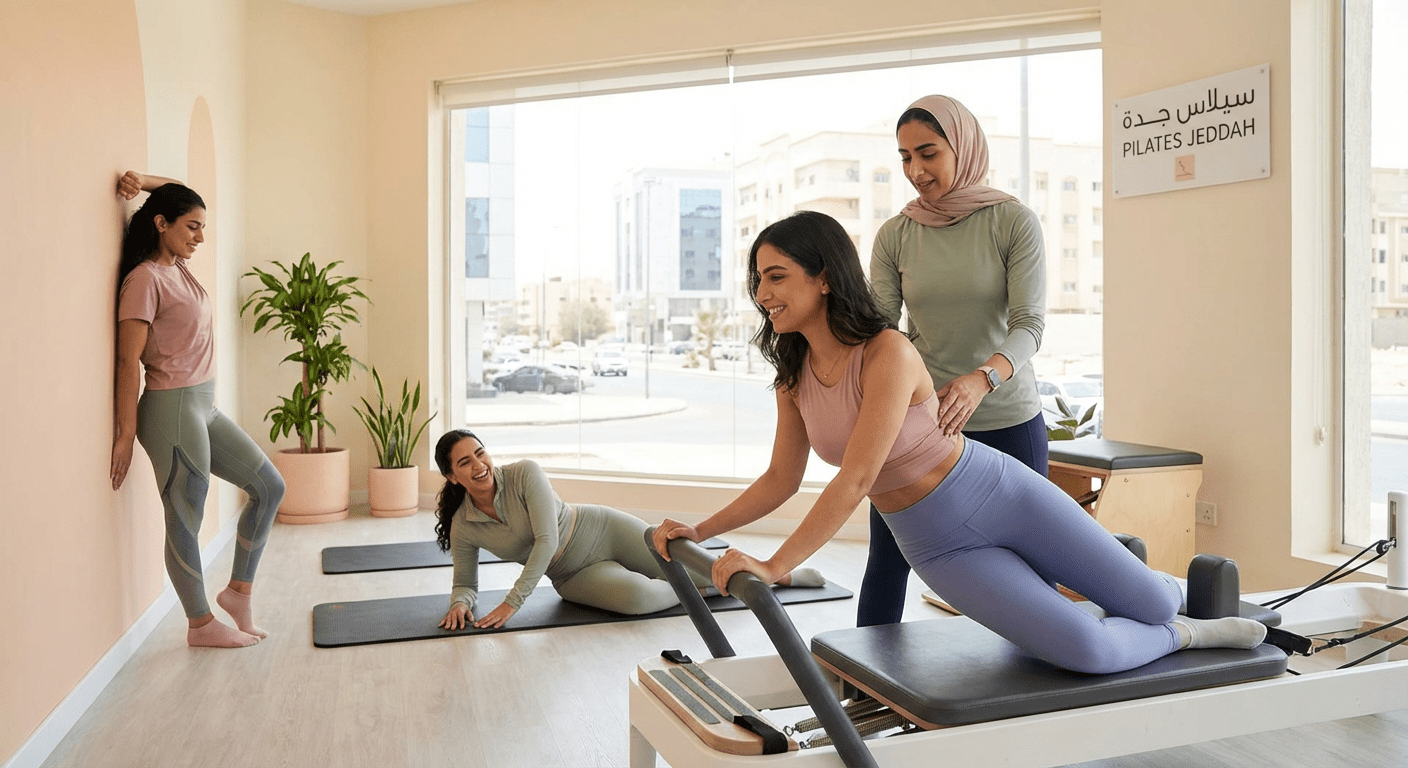
For practitioners in cities like Jeddah and Riyadh, seeking studios that invest in continuous instructor development often yields the best results. Studios that combine internationally recognized certifications with in-house training programs demonstrate a commitment to maintaining the highest teaching standards. This dual approach ensures instructors are not only certified but also aligned with the specific methodologies and quality expectations of premium Pilates environments.
Small group classes can further enrich training experiences, allowing for personalized attention and effective form correction. With the growing integration of technology in fitness, instructors should also be open to utilizing mobile apps and wearables to enhance their teaching methods. This adaptability will ensure that they meet the evolving expectations of Pilates practitioners in a dynamic fitness landscape.
The Pilates market in the Middle East is experiencing growth, with increased demand for qualified instructors in Saudi Arabia and the GCC region. (Polestar Pilates GCC – 2023)
Conclusion: Making an Informed Decision
Making an informed decision about Pilates certification is essential for aspiring instructors and practitioners. As the demand for Pilates grows across the Middle East, choosing a program that meets high standards is crucial. Look for certifications that emphasize both mat and equipment training, ensuring a well-rounded education. Programs should also incorporate elements of functional fitness, making the techniques practical for everyday life.
Moreover, consider the program’s focus on holistic health. Research shows that Pilates can significantly alleviate symptoms of depression and anxiety, reinforcing its value in modern wellness practices (Healthline). Whether you’re pursuing certification or seeking quality instruction, prioritizing programs that invest in continuous development and rigorous standards will serve you well. In markets experiencing rapid growth, studios that demonstrate commitment to instructor excellence through additional training and assessment often provide the most rewarding experiences for both teachers and practitioners.
Frequently Asked Questions
What are the benefits of hybrid learning models in Pilates certification?
Hybrid learning models combine online and in-person training, offering flexibility for aspiring instructors. This format allows for comprehensive education while accommodating personal commitments, making it easier to pursue certification.
How long should a quality Pilates certification program take?
A quality Pilates certification program should last between eight to twelve months. This duration ensures thorough preparation, covering essential techniques and knowledge necessary for effective teaching.
Why is anatomy education important in Pilates certification?
Understanding anatomy and biomechanics is crucial for effective instruction and injury prevention in Pilates. Programs that emphasize this knowledge enable instructors to teach safely and adapt techniques to individual client needs.
What is the value of in-house training programs at Pilates studios?
In-house training programs allow studios to ensure instructors meet specific quality standards and teaching methodologies aligned with their brand values. This additional layer of training often indicates a studio’s commitment to excellence beyond basic certification requirements.
How can I ensure the credibility of a Pilates certification program?
To ensure credibility, choose programs accredited by recognized bodies such as the Pilates Method Alliance. Accreditation indicates adherence to industry standards and enhances job prospects for instructors in the fitness industry.

Leave a Reply