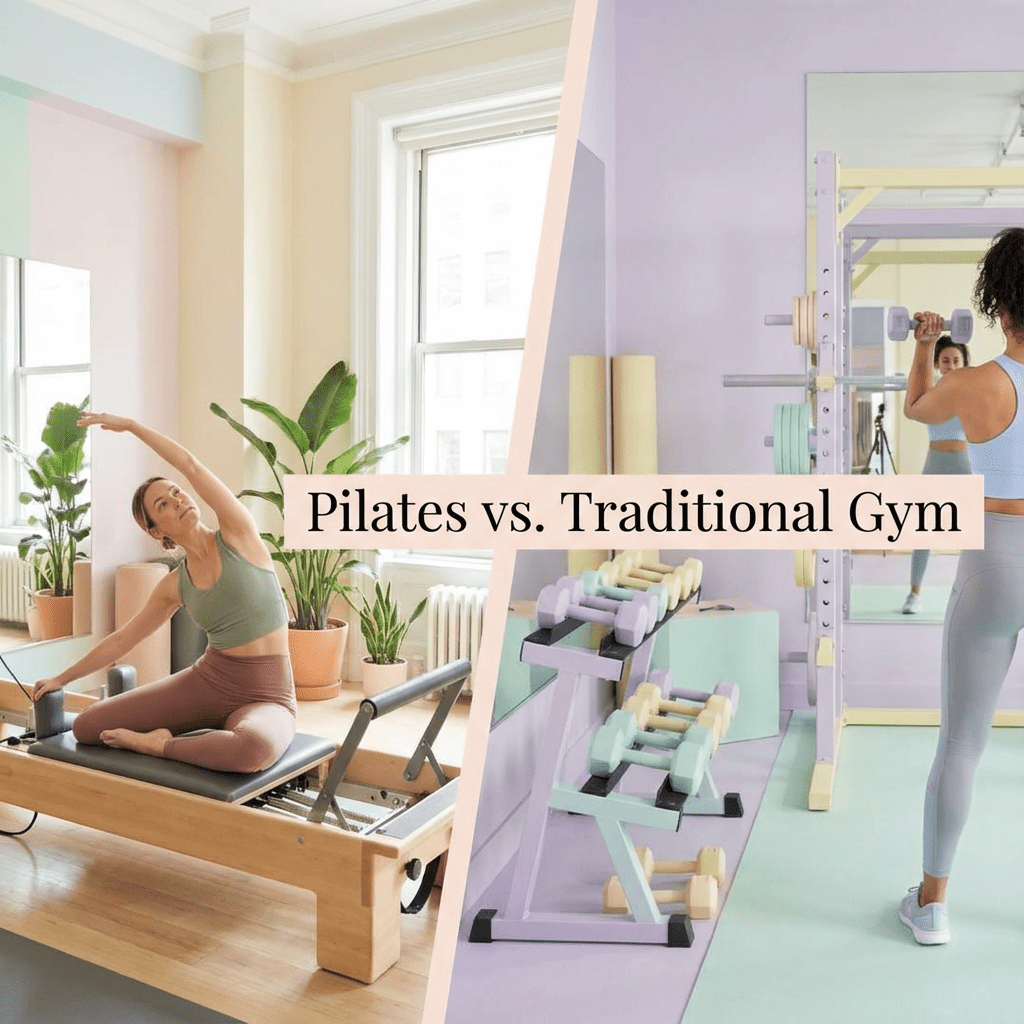
Pilates improves flexibility and core strength significantly within weeks, making it a compelling alternative to traditional gym workouts, which focus primarily on muscle mass. In 2025, Pilates emphasizes a holistic approach, enhancing both physical and mental well-being. With the fitness market in Saudi Arabia projected to grow from USD 1.14 billion in 2024 to USD 2.67 billion by 2030, Pilates is increasingly popular, particularly among women in cities like Jeddah and Riyadh. Choose based on personal fitness goals and lifestyle preferences.
Are you torn between the allure of Pilates and the traditional gym workout routine? With an increasing number of people in Saudi Arabia’s major cities turning to Pilates for its holistic benefits, this article will help you navigate the latest trends and innovations in both fitness styles. Research shows that Pilates can significantly improve flexibility and core strength in just weeks. Discover which approach aligns best with your fitness goals and lifestyle in 2025.
Introduction to Pilates and Traditional Gym Workouts
Pilates was initially created by Joseph Pilates as ‘Contrology’ with the goal of increasing muscle strength using body weight. The modern method is considered a form of physical conditioning that aims to create a balance between body, mind, and spirit. Execution of exercises, whether on a mat or on machines, follows key principles: concentration, control, centralization, fluidity, precision, and breathing. While originally focused on strength, Pilates is now widely known for improving flexibility, balance, motor coordination, and posture. This holistic approach makes it a compelling alternative to traditional gym workouts, which often emphasize strength training without the same focus on mind-body connection.
Understanding Pilates in 2025
Pilates has evolved significantly, becoming a popular choice for those seeking a balanced approach to fitness. Unlike traditional gym workouts that often focus primarily on strength training, Pilates emphasizes low to moderate-intensity exercises that are designed to be easily learned. This makes it accessible to a wide range of individuals, from beginners to advanced practitioners.
Practicing Pilates promotes improvements in flexibility, dynamic balance, and muscular resistance. A study published in the Journal of Strength and Conditioning Research found that participants in a 12-week Pilates program showed significant improvements in abdominal endurance, hamstring flexibility, and upper-body muscular endurance. The discipline is grounded in principles of coordination, balance, and awareness, requiring participants to pay close attention to muscle control, posture, and breathing throughout the exercises. This holistic approach fosters a deeper mind-body connection, enhancing overall well-being and fitness.
As we move into 2025, the relevance of Pilates continues to grow, appealing to those who seek a comprehensive workout that nurtures both the body and mind. This shift reflects a broader trend in the fitness industry towards more integrated and mindful exercise practices. In a world increasingly focused on holistic health, Pilates stands out as a compelling option for modern lifestyles.
Evolution of Pilates Techniques
As Pilates techniques have evolved, they increasingly incorporate elements of functional fitness, making them more applicable to everyday movements. This integration enhances strength, flexibility, and coordination, appealing to a broader audience. In a 2025 context, Pilates promotes not just physical fitness but also mental well-being, aligning with global trends towards holistic health practices. Research indicates that Pilates can improve flexibility significantly over an 8-week period, with participants showing marked improvements in sit-and-reach tests compared to control groups.
Benefits of Pilates for Modern Lifestyles
Practicing Pilates offers numerous benefits tailored for modern lifestyles, particularly in promoting mental well-being. A 2023 meta-analysis published in Medicine revealed that Pilates significantly alleviates symptoms of depression and anxiety in female patients, with standardized mean differences of -0.73 and -0.62, respectively. This highlights its role not just as a physical workout but also as a mental health enhancer, making it a valuable choice for those navigating the stresses of contemporary life.
Traditional Gym Workouts: What’s New?
The landscape of traditional gym workouts is evolving rapidly, integrating new technologies and methodologies to enhance fitness experiences. In 2025, we see a blend of innovative tools and approaches that cater to diverse fitness needs.
Wearable technology, like smartwatches and fitness trackers, has become essential for monitoring performance. Mobile exercise apps offer personalized programming, making workouts more accessible. Additionally, fitness programs specifically designed for older adults are gaining traction, addressing their unique health requirements.
High-Intensity Interval Training (HIIT) remains popular for its efficiency in burning calories, while traditional strength training continues to be a staple. Data-driven training technology allows for real-time adjustments to workout plans, enhancing effectiveness. Moreover, exercise is increasingly recognized for its role in mental health, promoting overall well-being.
These trends reflect a shift towards more holistic and personalized fitness experiences.
Innovations in Gym Equipment
Innovations in gym equipment are transforming workouts, particularly through AI-powered machines. These advancements can analyze user performance, adjust resistance, and track form in real-time, significantly enhancing safety and effectiveness. In the Middle East, this technology is notable for its potential to reduce injury risk while improving workout outcomes. Such innovations not only improve the gym experience but also cater to the growing demand for personalized fitness solutions that address individual needs and capabilities.
Popular Workout Trends
In 2025, the popularity of Pilates continues to rise, particularly as it integrates with emerging trends in fitness. Unlike traditional gym workouts, Pilates emphasizes a holistic approach, focusing on the mind-body connection. This trend aligns with the increasing use of mobile exercise apps, which allow Pilates enthusiasts to tailor their routines and access guided sessions conveniently. As a result, practitioners can enhance their experience, making Pilates more accessible and adaptable to individual fitness goals.
Comparing Pilates and Gym Workouts
Pilates and traditional gym workouts each offer unique benefits, catering to different fitness goals and preferences. Pilates emphasizes a holistic approach, integrating strength, flexibility, and balance while fostering a strong mind-body connection. This method encourages controlled movements that enhance overall physical conditioning, making it appealing for those seeking a comprehensive workout experience. In contrast, traditional gym workouts often prioritize muscle building and cardiovascular fitness through varied equipment and high-intensity training. As fitness trends evolve in 2025, understanding the distinct advantages of both approaches can help individuals make informed choices that align with their personal wellness goals and lifestyle preferences.
Physical Benefits: Strength, Flexibility, and Endurance
Pilates uniquely enhances strength, flexibility, and endurance through controlled movements that promote muscle engagement and balance. While traditional gym workouts often excel in building muscle strength, Pilates focuses on improving flexibility and core stability. Research has shown that Pilates participants demonstrated significant advancements in flexibility compared to resistance training groups, with improvements in lumbo-pelvic stability and sit-and-reach measurements, highlighting its holistic benefits.
Mental and Emotional Well-being
Practicing Pilates has been linked to significant improvements in mental and emotional well-being. A 2025 observational study highlighted that individuals who engaged in Pilates experienced notable decreases in anxiety, depression, and somatization compared to those who remained inactive. This method not only helps in enhancing physical strength but also fosters a greater ability to mentally disengage from daily stressors, making it an effective tool for managing emotional health. Such benefits can be particularly appealing for those looking to integrate a mindful approach into their fitness routine.
Choosing the Right Fit for You
Choosing between Pilates and traditional gym workouts can greatly influence your fitness journey in 2025. Each approach offers unique benefits, catering to different preferences and goals. Pilates emphasizes a holistic connection between body and mind, focusing on core strength, flexibility, and posture, which can lead to improved overall wellness. In contrast, traditional gym workouts often prioritize strength training and cardiovascular fitness, appealing to those looking for a more aggressive workout style. Understanding these distinctions can help you select the method that aligns best with your personal fitness aspirations and lifestyle, setting the stage for a more fulfilling fitness experience.
Assessing Personal Fitness Goals
When setting personal fitness goals, it’s crucial to consider how Pilates and traditional gym workouts align with your aspirations. Pilates often emphasizes core strength and flexibility, making it ideal for those seeking a balanced approach that enhances posture and overall wellness. Pilates practitioners in Saudi Arabia’s major cities frequently report improved body awareness and reduced injuries, highlighting Pilates’ focus on form and control. In contrast, traditional gym workouts may appeal more to individuals aiming for aggressive strength gains or cardiovascular fitness, providing a different pathway to achieving personal goals in 2025.
Lifestyle and Accessibility Considerations
Pilates offers a unique lifestyle benefit through its emphasis on mindfulness and body awareness, making it accessible for individuals of varying fitness levels. Unlike traditional gym workouts, which can sometimes feel intimidating, Pilates classes often foster a supportive community atmosphere. This inclusivity encourages participation, enhancing overall motivation and wellness, especially in urban centers where community connections are vital for sustained engagement.
Pilates in the Middle East: A Growing Trend
The popularity of Pilates in the Middle East, particularly in Saudi Arabia, reflects a broader shift towards holistic fitness practices. Unlike traditional gym workouts, which often prioritize strength training, Pilates emphasizes core strength, flexibility, and mental focus. This approach appeals to a growing number of individuals seeking a balanced fitness regimen.
The health and fitness market in Saudi Arabia is experiencing remarkable growth, projected to expand from USD 1.14 billion in 2024 to as much as USD 2.67 billion by 2030, driven in part by initiatives like Saudi Vision 2030, which aims to increase physical activity among the population. As of 2022, 48.2% of inhabitants engaged in weekly physical activity for at least 30 minutes, surpassing the initial goal of 40%. Women’s fitness, in particular, is emerging as a significant growth frontier, with female participation in sports increasing by over 150% since 2015, further fueling the interest in Pilates and boutique fitness studios across cities like Riyadh and Jeddah.
Community and Cultural Impact
The rise of Pilates in Saudi Arabia has fostered a vibrant community focused on holistic wellness. This shift not only enhances individual health but also strengthens social bonds, creating spaces where people connect through shared fitness experiences. In major urban centers like Jeddah and Riyadh, boutique Pilates studios have become hubs for health-conscious individuals seeking both physical transformation and community engagement.
The Rise of Boutique Fitness in Saudi Cities
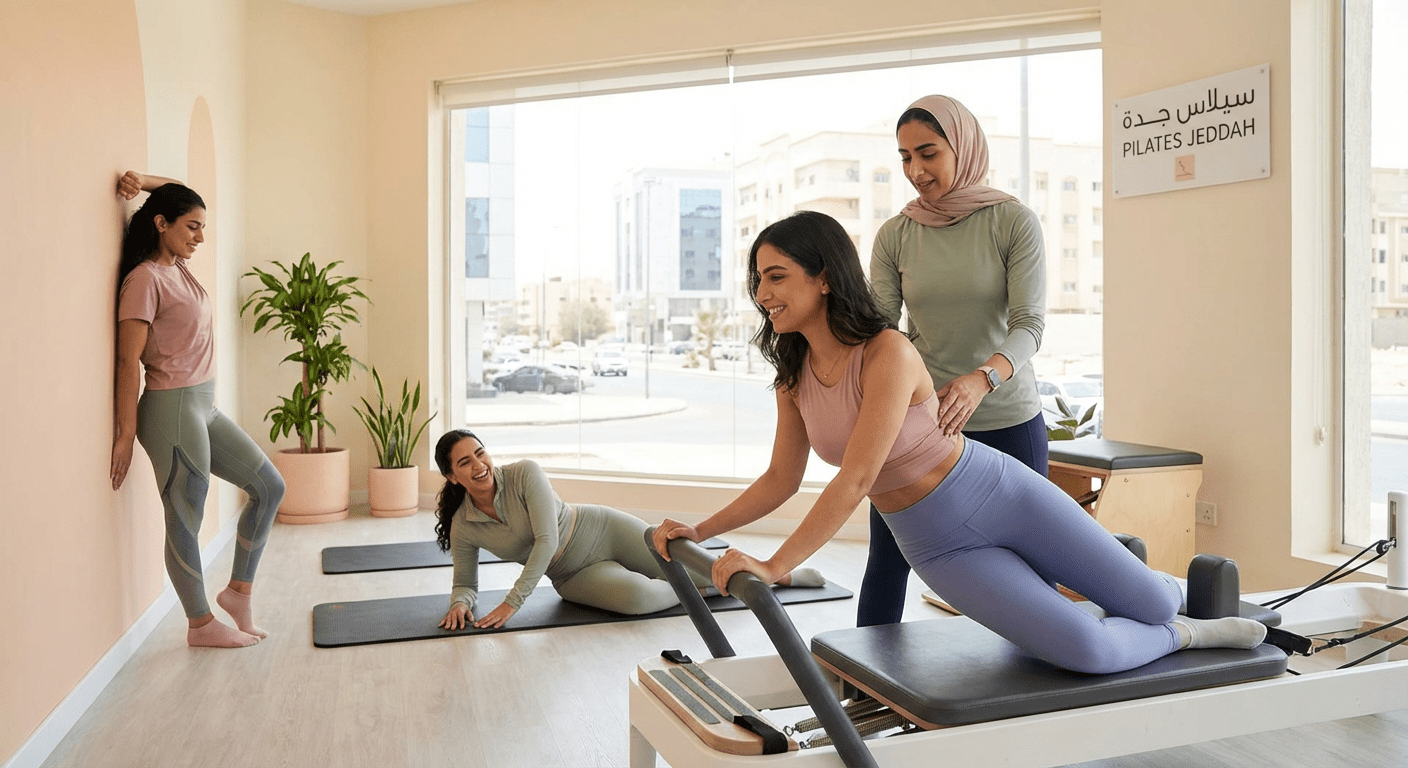
Saudi Arabia’s major cities are witnessing a surge in boutique fitness studios that offer specialized, community-focused approaches to wellness. Unlike traditional gyms with hundreds of members, these studios typically limit class sizes to create more intimate, personalized experiences. The boutique model has proven particularly popular among professional women in urban centers like Jeddah and Riyadh, who value the combination of expert instruction, premium amenities, and supportive community atmosphere.
Many of these studios focus on resistance-based training methods that emphasize the mind-body connection, offering structured sessions that combine physical challenge with mindfulness practices. The format appeals to those seeking efficient, results-driven workouts that fit into busy lifestyles while providing a sense of belonging and motivation that large-scale gyms often lack. This shift toward boutique fitness reflects a broader trend in the Kingdom’s wellness industry, where quality of experience has become as important as the workout itself.
Conclusion: Making an Informed Choice
Choosing between Pilates and traditional gym workouts ultimately depends on individual goals and preferences. Pilates offers a holistic approach that emphasizes core strength, flexibility, and mind-body connection, making it ideal for those seeking balance and rehabilitation. In contrast, traditional gym workouts typically focus on building muscle mass and cardiovascular fitness, often through high-intensity training.
In 2025, Pilates continues to gain traction as a preferred method for enhancing overall wellness. Recent studies show that Pilates can improve not just physical fitness but also mental well-being, appealing to a broader audience. This growing popularity is reflected in the increasing number of studios and classes available, particularly in urban centers like Jeddah and Riyadh throughout Saudi Arabia. Ultimately, the best choice will align with personal fitness goals and lifestyle preferences.
Frequently Asked Questions
What are the key differences between Pilates and traditional gym workouts?
Pilates focuses on core strength, flexibility, and mind-body connection, while traditional gym workouts emphasize muscle building and cardiovascular fitness. This distinction helps individuals choose a method that aligns with their personal fitness goals.
How can Pilates improve mental well-being?
Research published in Medicine (2023) has shown that Pilates significantly alleviates symptoms of anxiety and depression, with effect sizes of -0.73 and -0.62, respectively. This makes it a valuable tool for enhancing mental health alongside physical fitness.
What innovations are shaping gym workouts in 2025?
In 2025, traditional gym workouts incorporate AI-powered equipment that can analyze performance and adjust resistance in real-time. This technology enhances safety and effectiveness, catering to personalized fitness needs.
Is Pilates suitable for beginners in Saudi Arabia?
Yes, Pilates is highly accessible for beginners, focusing on low to moderate-intensity exercises that can be easily learned. Many studios in cities like Jeddah and Riyadh offer supportive environments that foster community and motivation.
How does Pilates compare in effectiveness to traditional strength training?
Studies indicate that Pilates participants showed significant improvements in flexibility and core stability compared to those engaged in resistance training. This suggests Pilates can yield notable results in flexibility and functional fitness, although traditional strength training may excel in building muscle mass.
Sources & References
Fleming, K. M., & Herring, M. P. (2023). The impact of Pilates exercise for depression symptoms in female patients: A systematic review and meta-analysis. Medicine, 102(41), e35705. https://pubmed.ncbi.nlm.nih.gov/37832060/
Kloubec, J. A. (2010). Pilates for improvement of muscle endurance, flexibility, balance, and posture. Journal of Strength and Conditioning Research, 24(3), 661-667. https://pubmed.ncbi.nlm.nih.gov/20145572/
Phrompaet, S., et al. (2011). Effects of Pilates training on lumbo-pelvic stability and flexibility. Asian Journal of Sports Medicine, 2(1), 16-22. https://pmc.ncbi.nlm.nih.gov/articles/PMC3289190/
Mordor Intelligence. (2025). Saudi Arabia Health and Fitness Club Market Analysis. https://www.mordorintelligence.com/industry-reports/saudi-arabia-health-and-fitness-club-market
The India Watch. (2025). Feasibility Study for Saudi Arabia’s Gym Landscape. https://theindiawatch.com/insights-new/service-industry/feasibility-study-for-saudi-arabia-gym-landscape
General Authority for Statistics (GaStat). (2022). Saudi population witnesses an increase in sports and physical activity. https://www.stats.gov.sa/
Saudi Arabia Ministry of Sports. (2020). Female participation in sports increases by nearly 150%. Salaam Gateway Report
Aibar-Almazán, A., et al. (2019). Effects of Pilates training on sleep quality, anxiety, depression and fatigue in postmenopausal women: A randomized controlled trial. Maturitas, 124, 62-67. https://pubmed.ncbi.nlm.nih.gov/31097181/
Navega Pereira, B., et al. (2025). Benefits of Pilates on depression, anxiety, and stress: An observational study. Healthcare, 13(8), 905. https://pmc.ncbi.nlm.nih.gov/articles/PMC11988874/
Saudi Vision 2030 Quality of Life Program. https://www.vision2030.gov.sa/

Leave a Reply