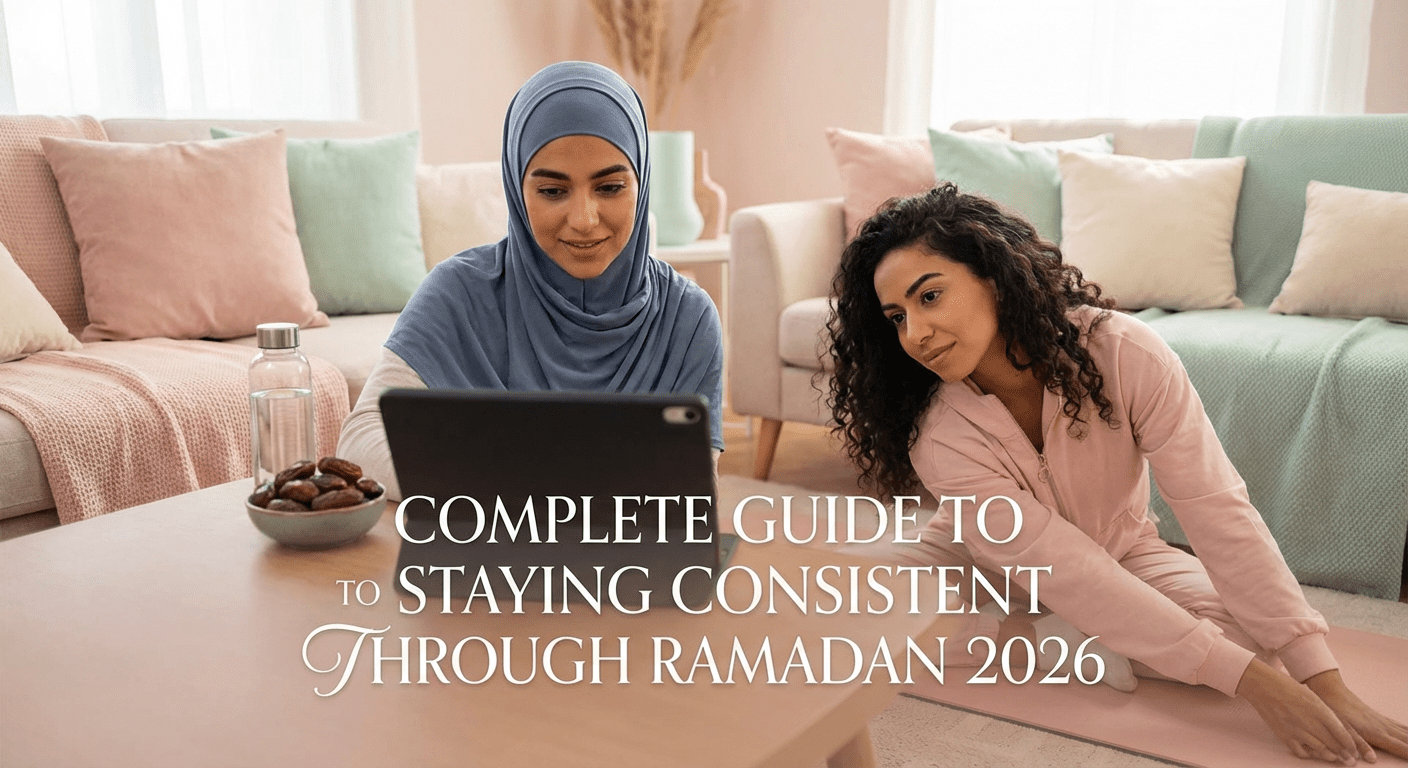
Maintain Pilates consistency in Jeddah during Ramadan’s 14-hour fasts with 2-3 low-impact sessions weekly, timed post-suhoor or pre-iftar. Adapt via lighter springs, seated reformer mods, core breathing; prioritize electrolytes and complex carbs. Most skip half their classes, but 75% effort beats zero, preventing post-Eid restart. Stay strong without burnout.
Ever feel like your Pilates routine completely derails during Ramadan, with fasting sapping your energy and Jeddah’s heat making every session a battle? You’re not alone—most practitioners skip half their classes this month. This guide reveals a flexible strategy that kept me consistent at my studio four times a week last Ramadan, no burnout.
Why Staying Consistent with Pilates During Ramadan Feels Impossible (But Isn’t)
Let’s be honest: when Ramadan arrives, your normal routine goes out the window. Between the late-night prayers, family gatherings, and the complete shift in sleeping patterns, the idea of dragging yourself to a Pilates class can feel overwhelming. I remember my first Ramadan trying to maintain a fitness routine—I felt guilty for missing classes and exhausted when I actually went.
But here’s the thing: it doesn’t have to be all or nothing. You don’t need to maintain your peak performance level to stay consistent. In fact, research suggests that the first week is the hardest for training due to shifts in sleep and hydration, but most people adapt significantly by the second week (Sweat). The goal isn’t perfection; it’s simply keeping the momentum going so you don’t have to start from zero after Eid.
The Real Challenges of Fasting and Fitness in Jeddah
Living in Jeddah adds a unique layer to the Ramadan fitness puzzle. We aren’t just dealing with hunger; we’re dealing with the heat and a city that completely flips its schedule. The streets come alive at night, meaning traffic can add 30-45 minutes to a simple commute just when you have the energy to work out.
Physically, the fasting window is long. Muslims in Saudi Arabia fast from dawn to sunset, which in Jeddah typically means a fasting window of around 14 hours (Ameera Hammouda). That’s a long time without water, especially when the AC is blasting and drying you out. Trying to maintain a standard high-intensity schedule in this environment isn’t just hard—it’s often counterproductive.
How Ramadan Affects Your Pilates Practice
Your body changes during the holy month, and your Pilates practice needs to respect that. You might notice your balance is a bit off, or your usual spring load feels heavier than normal. This is completely natural. Your glycogen stores are lower, and your muscles might feel “flatter” without constant hydration.
However, Pilates is actually one of the best movements you can do during this time. As fitness experts note:
“Many individuals prefer engaging in light exercises during fasting hours, such as Reformer Pilates or Yoga as it’s low-impact and focuses on core strength, flexibility, and mind-body connection.” (Vive Fitness)
It allows you to move and stretch tight muscles without the heavy impact of HIIT or running.
Energy Dips and Schedule Shifts
The biggest hurdle isn’t physical strength; it’s energy management. You’ll have peaks and valleys throughout the day that don’t match your normal rhythm. I used to force myself to go to class at 4 PM because that’s “what I always did,” but during Ramadan, that’s often when energy is lowest.
Experts agree that listening to your body is non-negotiable. Trainers emphasize that “finding the right time to train is crucial due to a lack of energy” during fasting, recommending that early sessions be based strictly on how you feel that day. If you’re exhausted, a power nap is more valuable than a power plank.
Dehydration Risks in the Saudi Heat
In Jeddah, dehydration is the silent practice-killer. Even if you’re indoors, the dry air conditioning and lack of water intake for 14 hours affects your joints and fascia. You might feel stiffer or get lightheaded quickly when standing up from the reformer carriage.
Pushing too hard when you’re dry is dangerous. High-intensity training hours before iftar can lead to high stress, low blood sugar, and no fuel to replenish muscles (Ameera Hammouda). This is why I avoid heavy cardio classes during the day and stick to grounded, controlled Pilates movements where I can monitor my heart rate.
My Simple Strategy for a Ramadan Pilates Routine
My strategy now is simple: maintenance over progress. I stop trying to hit personal bests and focus on just showing up. I switch from 4-5 intense classes a week to 2-3 focused, mindful sessions. This takes the pressure off and makes the schedule feel manageable rather than a chore.
I also change the type of class I book. I look for “Stretch and Flow” or beginner-friendly reformer classes rather than the advanced athletic conditioning sessions. Fitness experts recommend low-intensity Reformer Pilates during fasting, saving heavier training for post-iftar to maintain balance (Vive Fitness). This split approach keeps me moving without burning out.
Building a Flexible Schedule Around Suhoor and Iftar
Timing is everything during Ramadan. You essentially have two “power windows” where your body can handle movement effectively. Trying to force a workout in the middle of the day often leads to fatigue that ruins the rest of your fast.
Here’s the schedule breakdown that works for most practitioners:
Post-Suhoor: Shortly after the morning meal, once digestion has settled, to use that fresh fuel.
Pre-Iftar: Right before sunset, so you can immediately refuel and rehydrate within minutes of finishing.
Pre-Dawn Sessions Before Fajr
I have friends who swear by the 4 AM workout, but I’ll be honest—I’ve never made it stick. Waking up, eating Suhoor, waiting for digestion, and then working out before Fajr prayer requires immense discipline and cuts into precious sleep time.
It’s okay if this doesn’t work for you. One practitioner noted that although she considered training before the morning meal, starting a workout around 3 a.m. was simply not realistic for her lifestyle (Sweat). If it compromises your sleep, it will eventually compromise your immunity and mood.
Evening Flows Post-Maghrib
For me, the “golden hour” is at night. After breaking fast with dates and water, and perhaps a light soup, I have a window of energy. The studios in Jeddah are buzzing at night during Ramadan—it’s a whole vibe. The community comes alive, and everyone is in the same boat.
This seems to be the sweet spot for many. Research shows that many prefer training either 10-120 minutes before iftar or after breaking fast to effectively manage energy and hydration (Sweat). It allows you to drink water during class, which is a huge psychological relief.
Low-Energy Pilates Modifications That Actually Work
There will be days when you walk into the studio feeling completely drained. That’s not a sign to leave; it’s a sign to modify. I’ve learned to leave my ego at the door. If the instructor calls for a heavy spring load, I drop it down a notch. If they cue a plank on the toes, I stay on my knees.
You aren’t “cheating”; you’re adapting. One practitioner in a case study successfully cut her resistance session duration and weight load by 25% to reduce injury and fatigue while maintaining consistency (Sweat). That 75% effort is infinitely better than 0% effort.
Breathing and Core Activation Drills
When my limbs feel heavy, I focus entirely on my core and breath. Pilates is unique because you can get a deep abdominal burn without jumping around or sweating profusely. On low-energy days, I focus on the exhale—using the breath to wrap the obliques and transverse abdominals.
This internal work is often harder than the external movement. As fitness experts note:
“Reformer Pilates is recommended during fasting hours due to low-impact, controlled movement, core engagement, and mindful breathing.” (Vive Fitness)
Seated Reformer Variations
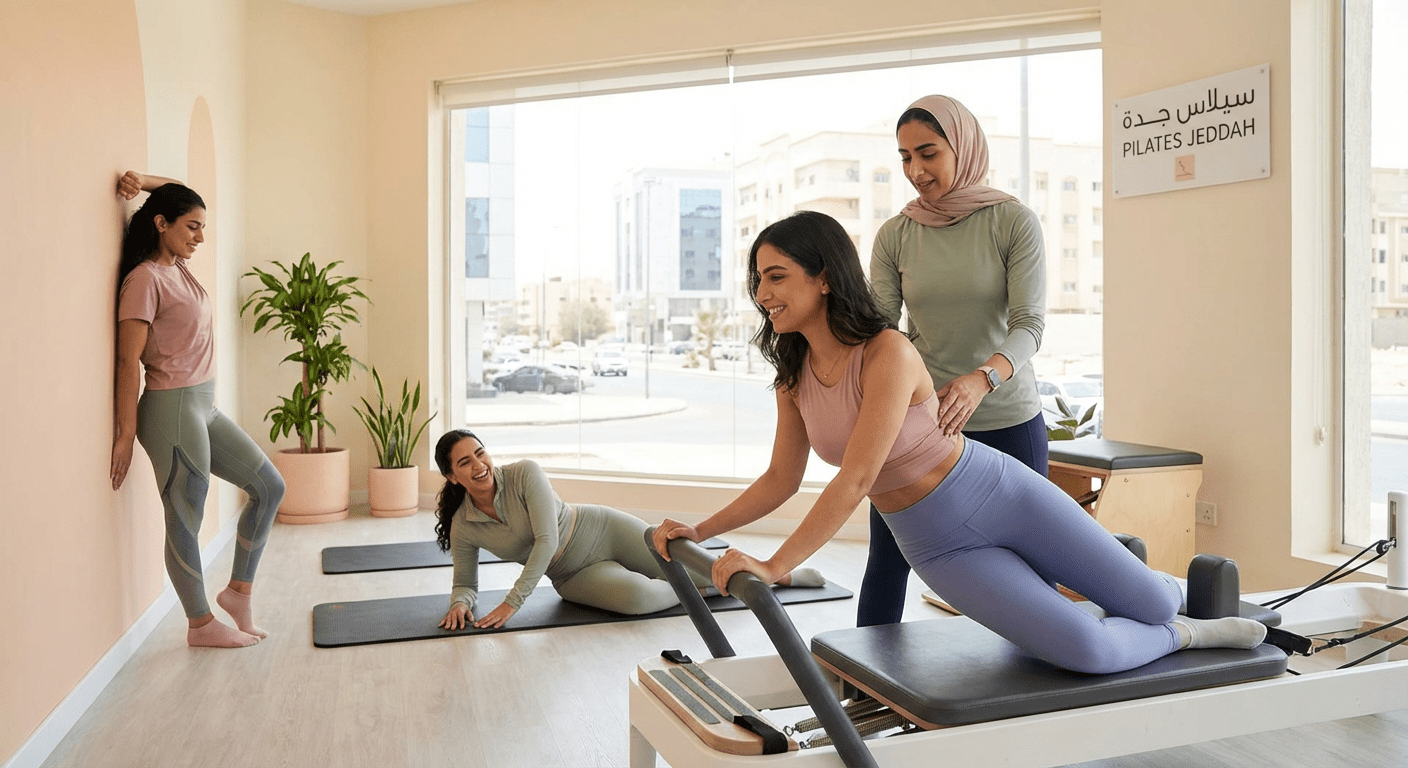
If I’m fasting and feeling a bit dizzy, I avoid exercises where my head goes below my heart. I stick to seated or lying down variations on the reformer. At my studio, the instructors are great at offering these swaps—like doing arm work seated on the box instead of standing.
These modifications keep you safe while still engaging muscles. Pilates is a low-impact workout improving flexibility, core strength, and posture, making it suitable during fasting as long as intensity adjustments are made (Pilates Culture ID). You still get the posture benefits without the head rush.
Fueling Your Body Right: Eating and Hydrating for Consistency
You can’t out-train a bad diet, especially during Ramadan. If I fill up on fried sambousek and Vimto, my practice suffers the next day. I feel sluggish and heavy. To stay consistent on the reformer, I have to be strategic about what goes on my plate.
Here’s what keeps me going:
Electrolytes: I prioritize hydration-rich foods (watermelon, cucumber) and coconut water at Suhoor.
Complex Carbs: Oats or whole grains at Suhoor provide a slow release of energy.
Timing: Avoid long intense sessions many hours before iftar to prevent lightheadedness and blood sugar crashes.
Mental Tricks to Push Through Ramadan Fatigue
When your body wants to nap, your mind has to take over. I use a concept called “Anchor Sessions.” I commit to just two specific classes a week—say, Monday and Wednesday nights. These are non-negotiable anchors. Any other class I catch is just a bonus.
This shifts my identity from “someone trying to exercise” to “someone who practices Pilates.” Research shows that individuals who view themselves as “someone who practices Pilates” demonstrate greater consistency than those driven purely by external goals. I tell myself, “I am a person who shows up,” even if I just stretch for 45 minutes.
Common Mistakes I Made (and How to Avoid Them)
I’ve made every mistake in the book. I’ve booked classes I was too tired to attend, paid late cancellation fees, and felt guilty about eating dessert. The biggest mistake was thinking I could maintain my usual routine without adjustments.
Another major pitfall is relying solely on home workouts because “it’s easier.” In reality, without the studio accountability, I usually end up on the couch. Studies show online Pilates programs can see dropout rates as high as 33% compared to in-person sessions, suggesting the studio environment is key for adherence.
Overdoing It Early On
In my first Ramadan, I tried to go to class every single day for the first week. By day six, I crashed hard. I was exhausted, sore, and dreading the studio. I learned the hard way that enthusiasm doesn’t replace fuel.
Burnout is real. It’s better to start slow and build up than to sprint and collapse. Remember, the first week is physically the hardest as your body adapts to the new sleep and eating schedule. Give yourself grace during those first seven days.
Skipping Recovery Days
I used to think rest days were lazy days. Now I know they’re when the magic happens. During Ramadan, recovery is even more critical because your sleep quality is likely lower.
If you skip recovery, you risk injury. A strained muscle takes much longer to heal when you’re fasting. I now view my rest days as part of the training—time for my body to repair so I can actually perform well in my next class.
Lessons from My First Ramadan at a Jeddah Studio
My first Ramadan at my studio taught me that community is the secret ingredient. Walking in and seeing other women pushing through their fasts or celebrating post-iftar energy gave me a second wind. We were all in it together—sharing tips on hydration, complaining about the traffic, and cheering each other on.
There was a moment about three weeks in where I thought, “Is this worth the money?” I felt weak and uncoordinated. But I kept showing up because of the people. Somewhere around class eight, it clicked. I felt my core engage properly, and I left feeling energized, not defeated. That shift from “I have to” to “I get to” changed everything.
Your Turn: Starting Small This Ramadan
This Ramadan, don’t aim for a complete body transformation. Aim for consistency. Aim for feeling good in your skin. Whether it’s two classes a week or just 15 minutes of stretching at home, it all counts.
Start small. Book one class for next week. Put it in your calendar like a meeting you can’t miss. Listen to your body, modify when you need to, and remember that every time you get on the reformer, you’re doing something amazing for yourself. Ramadan Kareem.
Frequently Asked Questions
Is Pilates allowed during fasting hours in Ramadan?
Yes, low-impact Pilates is generally considered acceptable during fasting as it avoids excessive sweating or exhaustion. Focus on controlled movements and listen to your body, stopping if you feel dizzy or lightheaded.
What are the best hydration tips for Pilates during Ramadan in Jeddah?
Prioritize electrolyte-rich drinks like coconut water and hydrating foods like watermelon at Suhoor. Aim for 3-4 liters of water between Iftar and Suhoor, and avoid caffeine which can increase dehydration in Jeddah’s heat.
What should I eat for sustained energy during Ramadan Pilates?
Focus on complex carbs like oats and proteins such as eggs at Suhoor for sustained energy. Break your fast with dates for quick glucose, then have a balanced meal. Limit excessive sugars to avoid energy crashes before sessions.
Which Jeddah studios offer Ramadan-friendly Pilates schedules?
Many studios across Jeddah offer post-Maghrib classes from 8-10 PM during Ramadan, with ladies-only sessions available. Check with studios along Tahlia Street and northern neighborhoods for special Ramadan schedules and package deals.
What if I feel dizzy during fasting Pilates—when should I stop?
Stop immediately if you feel dizzy or lightheaded. Switch to seated variations, monitor your heart rate, and rest. If symptoms persist, consult a healthcare provider. Always prioritize safety over completing the workout.
Sources & References
Sweat. (2024). Exercise During Ramadan: Community Insights. https://sweat.com/blogs/community/exercise-during-ramadan
Ameera Hammouda. (2024). Ramadan Workout Plan Guide. https://ameerahammouda.com/blogs/the-ameeracan/ramadan-workout-plan
Vive Fitness. (2024). A Ramadan Exercise Guide: Balancing Fitness & Fasting. https://vivefitness.co.uk/muscle-joint-pain/a-ramadan-exercise-guide-balancing-fitness-fasting/
Pilates Culture ID. (2024). Pilates During Ramadan: Is It Allowed? https://member.pilatescultureid.com/page/pilates-during-ramadhan-is-it-allowed

Leave a Reply